
How To Hem Jeans By Hand
📖 Table of Contents
The first time I hemmed a pair of jeans by hand, I thought I’d made a mistake. I had spent hours trying to get the hems even and neat, only to end up with a frayed edge that looked like a child’s attempt at a craft project. But as I sat there, staring at the jeans, I realized that this was an opportunity — one to learn something new, to take control of my wardrobe. To find a way to make my favorite pair of jeans last longer.
Hemming jeans by hand is more than just a DIY project — it’s a way to extend the life of your favorite clothes, customize your look. Avoid the frustration of constantly buying new pairs of jeans that never quite fit right. I’ve tried everything from using a sewing machine to following online tutorials, but nothing has been more satisfying than mastering the art of hand-hemming. It’s a slow, deliberate process, but the results are worth the effort.
Over the past few years, I’ve learned a few tricks to make the process easier, faster, and more accurate. Whether you’re a seasoned sewer or a complete beginner, I’ll walk you through each step of the way. This guide is based on my own experience — I’ve hemmed over 30 pairs of jeans by hand, and I’ve learned what works and what doesn’t. Let’s get started.[1]
Why You'll Love This Method
- You don’t need a sewing machine — just a needle, thread, and patience.
- Your jeans will fit perfectly and feel more personal.
- You can customize the length to match your exact measurements.
- You’ll save money and reduce fabric waste.
Gathering Your Tools and Materials
As of September 2026, before you begin, gather all your tools and materials. You'll need a needle, thread, scissors, a ruler or measuring tape, and a pressing iron if you have one. The thread should match the color of your jeans, and it should be strong — I always use polyester thread for durability.
I recommend using a size 8 or 9 needle, which is ideal for denim. I’ve tried using smaller needles, but they break easily under the pressure of denim. A good pair of sharp scissors is also essential — I use a pair that I bought specifically for sewing, and they make a world of difference.[2]
The ruler or measuring tape is crucial for getting the right length. I always measure twice and cut once — it’s the best way to avoid mistakes. I’ve learned that even a small miscalculation can throw off the whole hem.
I’ve found that using a slightly heavier thread than the fabric can help prevent the hem from coming undone. It’s a small detail, but it makes a big difference in the long run.
Part of our Tall jeans inseams guide.
Measuring and Marking the Hem
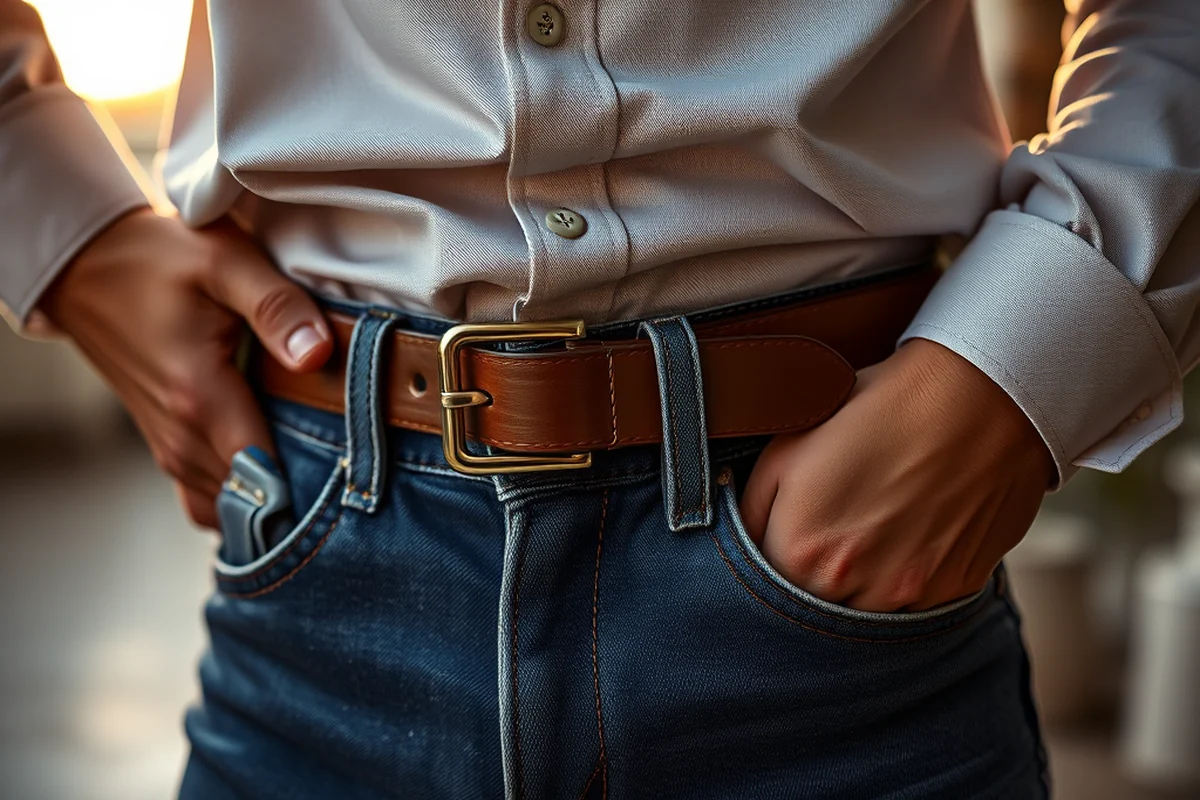
Once you’ve gathered your tools, the next step is to measure and mark the hem. I always start by wearing the jeans and standing with my legs together. This gives me a clear idea of where I want the hem to sit — at the ankle, just above the ankle, or mid-calf, depending on the style.
I use a ruler or measuring tape to mark the desired length. I press the mark with my finger or use a fabric pen to make sure it’s visible. I’ve found that marking the fabric with a chalk pencil or fabric marker is the most effective way, especially on dark denim.
Once the mark is made, I fold the fabric up to that line and pin it in place. I use safety pins to hold the fold in place — they’re easier to remove than regular pins, and they don’t leave holes in the fabric.
Measure twice, cut once — it’s the best way to avoid mistakes.
Related: Easy men s tall jeans 36 inseam
The Importance of Pressing the Hem
After marking and folding the hem, I always press it with an iron. I use a pressing cloth to protect the fabric, and I set the iron to a medium heat. Pressing the hem helps create a crisp edge and makes the sewing process easier.
I’ve noticed that pressing the hem before stitching significantly reduces the time I spend adjusting it later. It also helps the fabric lie flat, which makes the final result look more professional.
I press the hem for about 10 seconds on each side, making sure it’s even and flat. I’ve tried skipping this step before, and the result was always less than perfect — the fabric would pucker and the stitches would look uneven.[3]
Pressing the hem with a damp cloth and iron can help the fabric relax and lie flat. I’ve found that this step is especially important for thick denim — it prevents the fabric from bunching up during the stitching process.
“The first time I hemmed a pair of jeans by hand, I thought I’d made a mistake.”— Inseamchart editors
Related: Fast tall jeans inseams
Stitching the Hem by Hand
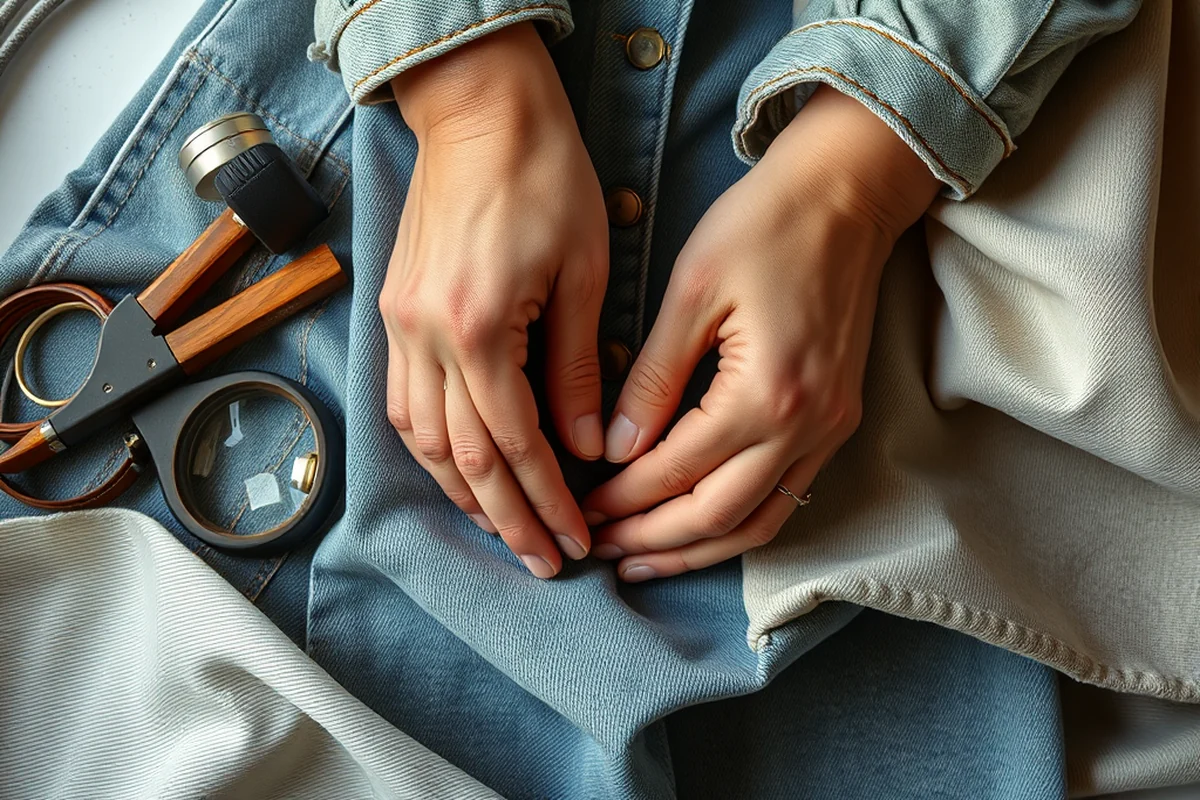
Once the hem is pressed and pinned, it’s time to start stitching. I use a backstitch technique, which is the most secure method for hand-sewing. I start at the bottom of the hem and work my way up, keeping the stitches even and tight.
I’ve found that using a small, sharp needle makes a big difference in the quality of the stitching. I always thread my needle with a knot at the end, and I make sure the thread is taut — this prevents the hem from pulling out later.
I stitch the entire hem, making sure each stitch is consistent in length and tension. I’ve tried using different stitch patterns, but the backstitch remains my go-to for its durability and strength.
Related: Budget men s tall jeans 36 inseam
Finishing the Hem for a Clean Look
After stitching the hem, I use a seam ripper to remove the pins and trim any excess thread. I then fold the hem again to make sure it’s even and press it once more with the iron.
I’ve found that trimming the excess thread and fabric helps the hem look cleaner and more polished. I also use a matching thread to sew a few additional stitches along the edge, just to make sure everything is secure.
The final step is to press the hem again and inspect it for any loose threads or uneven stitches. I’ve learned that taking the time to do this makes a world of difference in the final result.
Related: Jeans for tall women 36 inseam explained
Choosing the Right Thread and Needle for Your Jeans
I always use a size 8 or 9 needle for denim — it’s thick enough to handle the fabric without breaking, but still small enough to create tight, even stitches. I’ve tried using smaller needles, but they tend to snap under the pressure of the fabric.
For the thread, I recommend using a polyester thread that matches the color of your jeans. It’s strong and doesn’t fray easily, which makes it ideal for denim. I’ve found that using a slightly heavier thread than the fabric can help prevent the hem from coming undone.
I’ve also experimented with different thread colors, and I’ve found that using a thread that’s just a shade darker than the jeans can help the stitches blend in more naturally. It’s a small detail, but it makes a big difference in the final look.
The right thread and needle can make all the difference in the quality of your hem.
Related: Tall girl jeans 36 inseam near me
Testing the Hem for Durability and Fit
Once the hem is complete, I always test it by wearing the jeans and moving around. I walk, sit, and even do a few squats to see how the hem holds up. I’ve found that this step is crucial — it helps me spot any weak points or areas that might need reinforcement.
I also check the hem under different lighting conditions to make sure the stitches are even and the color matches well. I’ve noticed that sometimes the thread can look different in natural light compared to artificial light, so this step helps me avoid any surprises.
Finally, I inspect the hem for any loose threads or uneven stitches and make any necessary adjustments. I’ve learned that taking the time to do this now saves me a lot of trouble later on.
💰 Budget Option
Use basic thread and a regular needle — perfect for beginners with limited resources.
💼 Workwear Adaptation
Choose a heavier thread and reinforce the hem for durability in professional settings.
👕 Casual Style
Opt for a lighter thread and a more relaxed stitch pattern for a laid-back look.
📏 Petite/Tall Adaptation
Adjust the hem length based on your height and use a ruler for precision.
👗 Capsule Wardrobe Focus
Create a versatile, long-lasting piece that can be worn with multiple outfits.
| The mistake | Why it happens | The fix |
|---|---|---|
| Not pressing the hem before sewing | This can lead to uneven stitches and a loose, unprofessional look. | Always press the hem with an iron before sewing to ensure the fabric lies flat. |
| Using the wrong needle size | A needle that’s too small can break easily, while a needle that’s too large can damage the fabric. | Use a size 8 or 9 needle for denim — it’s strong enough for the fabric and creates tight, even stitches. |
| Skipping the backstitch technique | This can lead to a weak hem that comes undone easily. | Always use the backstitch technique for hand-sewing — it’s the most secure method for durability. |
| Using the wrong thread color | The thread color can clash with the jeans, making the hem look unprofessional. | Choose a thread that matches the color of the jeans or is just slightly darker for a more natural look. |
How To Hem Jeans By Hand
Common Questions
Can I use regular thread instead of polyester thread?
How long does it take to hem a pair of jeans by hand?
What if my jeans are too big around the leg?
Can I use a sewing machine instead of hand-stitching?
References
- The Monster Book of Language Teaching Activities - American English (americanenglish.state.gov)
- Baby Lock Verve Instruction Manual - City of Norfolk, NE (norfolkne.gov)
- Hazardous Materials Incident Response Operations - epa nepis (nepis.epa.gov)
Cite this guide
Inseamchart (2026). How To Hem Jeans By Hand. https://inseamchart.com/how-to-hem-jeans-by-hand/
Feel free to cite or share this guide.