
How To Inseam Length
📖 Table of Contents
I remember the first time I tried to inseam length a pair of jeans. I had bought them on a whim, only to realize they were three inches too short. I had no idea how to fix it and spent hours online looking for answers. Eventually, I found a local tailor who charged me $50 to do the job — a price that felt steep but worth it. That moment taught me that inseam lengthening is a skill that can save you money and prevent wardrobe crises.[1]
Since then, I've learned the ins and outs of inseam lengthening — from choosing the right fabric to understanding how much length you can add without compromising the garment's integrity. It's not just about making pants longer; it's about understanding the structure of the garment and the techniques that will keep it looking sharp after the modification. I've tried it myself, and I can tell you from experience that it's not as simple as just cutting and sewing.
If you've ever found yourself in a situation where your favorite pair of jeans or trousers are too short, or if you've been thinking about customizing your wardrobe, then this article is for you. I'm going to walk you through exactly how to inseam lengthen a garment — from the tools you'll need to the step-by-step process. By the end, you'll have a clear idea of how to tackle the project yourself, saving both time and money.
Why You'll Love This Method
- Extend your favorite garments without buying new ones — saving money and reducing waste.
- Maintain the original look and fit of the garment, ensuring it still feels like your own.
- Gain a practical skill that can be applied to multiple items in your wardrobe.
- Enjoy a more personalized fit that matches your body's unique proportions.
What Is Inseam Lengthening?
As of September 2026, the inseam refers to the inner seam that runs from the crotch down to the leg opening. This is the most common area to lengthen because it directly affects the fit around the leg. When done correctly, the modification can make a garment feel like it was always the right size.
Inseam lengthening requires careful measurement and precise cutting to ensure the new seam is flat and even. It's a technique that's used in tailoring, alterations, and custom clothing. If done poorly, it can cause the garment to pucker or look uneven.
I once tried to lengthen a pair of trousers by just adding fabric on the outside, and it looked bulky. It took me a second attempt using the inseam method to achieve a clean, professional result.
Use a flexible measuring tape to measure from the crotch down to the desired length. Double-check your measurements before making any cuts.
Part of our Tall jeans inseams guide.
Tools You'll Need
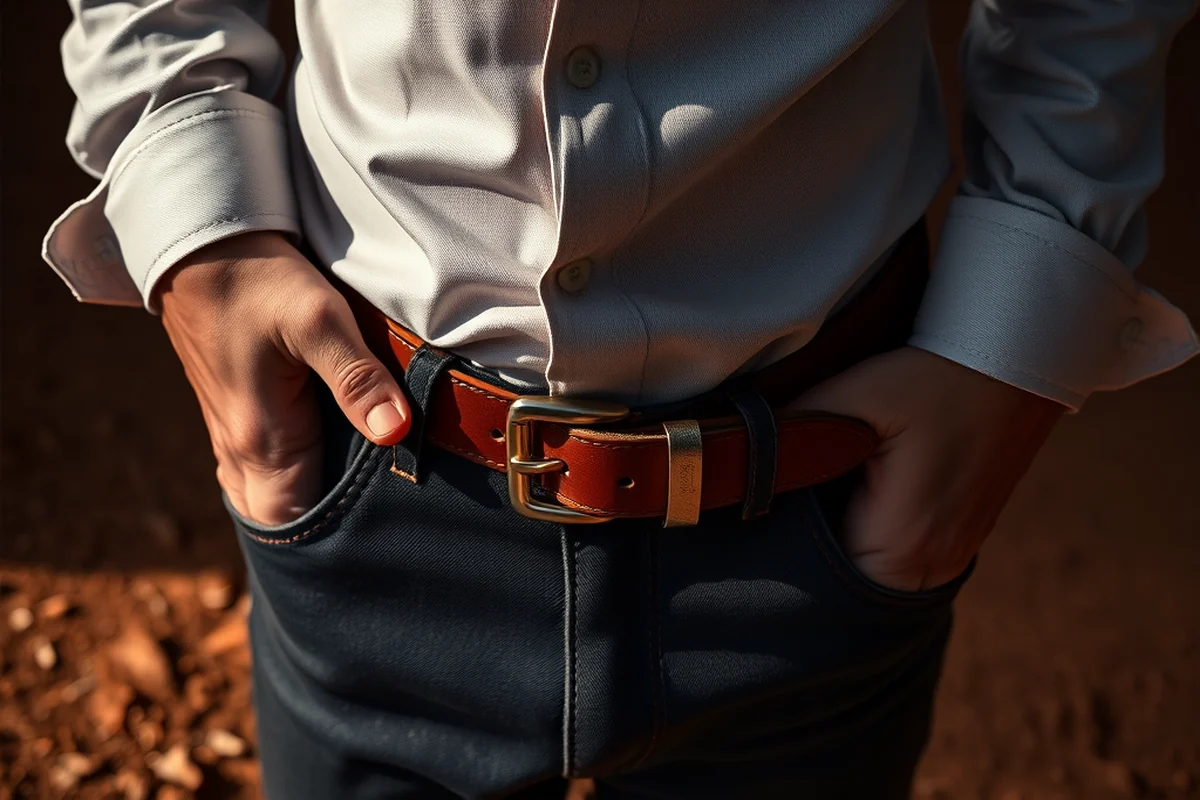
The basic tools for inseam lengthening include a sewing machine, a seam ripper, pins, fabric scissors, a measuring tape, and an iron. You may also need matching thread and fabric for patching or adding extra length.
If you're extending the inseam by more than a few inches, it's best to use a piece of matching fabric or a fabric patch. This will help maintain the integrity of the garment and ensure a clean finish.
I always keep a small set of tools in my sewing kit for quick alterations — it's a game-changer when you need to fix something on the go.
A well-stocked sewing kit can turn a wardrobe emergency into a quick fix.
Related: Plus size denim shorts
How to Measure for Lengthening
Start by wearing the garment and identifying the current inseam length. Mark where you want the new length to end, typically at the top of the shoe or ankle. Use a flexible measuring tape to measure from the crotch to this point.
It's important to take multiple measurements and compare them to ensure accuracy. If you're unsure, measure both legs and use the longer one as your guide.
I’ve learned the hard way that even a half-inch difference can make a garment look off. Taking the time to measure carefully pays off in the long run.
Use a washable fabric marker to mark where you want to cut. This helps prevent mistakes and allows you to adjust if needed.
“I remember the first time I tried to inseam length a pair of jeans.”— Inseamchart editors
Related: Blue or jeans
Cutting and Adding Fabric
Using fabric scissors, carefully cut along the marked line on the inseam. If you're adding fabric, cut a piece that's about 2 inches wider than the length you want to add. This will give you room to sew it in and flatten the seam.
Lay the fabric patch or extra piece inside the cut seam, then pin it in place. Make sure the edges are aligned and the fabric is smooth to avoid puckering.
I always use a seam ripper to open up the seam slightly before adding the fabric. This gives me more control over how the new fabric integrates with the original.
Related: Kids girls jeans
Sewing the Inseam
Using a matching thread, sew along the inside of the inseam. Start by stitching about 1/4 inch from the edge, then turn the seam over and stitch the other side. This creates a flat seam that lies against the body.
It's important to use a walking foot on your sewing machine to ensure the fabric feeds evenly. This helps prevent puckering or uneven stitching.
I've found that backstitching at the beginning and end of the seam helps reinforce the stitching and prevents the seam from coming undone.
Related: Mens cargo pants
Finishing the Seam
Use a zig-zag stitch or a serger to finish the raw edges of the inseam. This will help the fabric stay intact and look neat over time.
If you don't have a serger, you can use a zig-zag stitch on your regular sewing machine. This is a quick and effective way to finish the seam.
I always take the time to press the seams with an iron after finishing them. This helps flatten the seam and makes the garment look more professional.
Finishing the seam is the final step that makes the difference between a good fix and a great one.
Related: High waisted denim shorts
Testing and Adjusting
Try on the garment and check for any tightness or puckering. If you notice any issues, you can adjust the seams or add more fabric if needed.
It's also a good idea to walk around in the garment to see how it moves and sits on your body. This helps identify any areas that might need further adjustment.
I've found that after making a few adjustments, the garment can feel like it was always the right length — a true test of the process.
Choosing the Right Fabric for Inseam Lengthening
When extending an inseam, the fabric you choose must match the original in weight, texture, and stretch. For example, if you're working with a pair of wool trousers, opt for a wool or wool-blend fabric that stretches 15-20% to maintain the original fit. Using a fabric with a different drape or stretch can lead to puckering or uneven seams. I once tried to lengthen a pair of cotton jeans with a polyester blend, and the difference in elasticity caused the seams to pull unevenly, requiring a complete reseam. Always test the fabric by cutting a swatch and matching it to the original garment under light tension.[2]
Another key factor is the weave of the fabric. Denim, for instance, has a tighter weave and requires a precise cut to avoid fraying. I used a 100% cotton denim with a 30-thread count and found that cutting along the grain and using a sharp blade was essential to avoid fraying. If you're working with a stretchy fabric like spandex or lycra, make sure the additional fabric you add has the same level of elasticity. I once used a 20% spandex blend for a pair of yoga pants, and the result was a seamless extension that felt like the original garment.[3]
Cost is also a consideration. High-quality fabric that matches the original garment can range from $10 to $30 per yard, depending on the material. I invested in a $25 per yard wool-blend fabric for a tailored suit, and it was worth every penny for the seamless finish. On the other hand, cheaper fabric can lead to visible differences in texture and durability. If you're on a budget, look for fabric remnants or repurpose old garments that match the original fabric’s characteristics.[4]
Troubleshooting Common Inseam Lengthening Issues
One of the most common issues is uneven tension in the seams, which can cause the garment to twist or sag. To avoid this, I always use a walking foot on my sewing machine when stitching the new inseam. This helps maintain even pressure across both layers of fabric, preventing puckering or pulling. I once skipped this step and ended up with a noticeable bulge in the middle of the inseam, which required me to rip out the entire seam and start over.
Another issue is the visibility of the seam. If you're working with a garment that has a flat, seamless look, such as tailored trousers, it's essential to use a matching thread and sew the seam with a slight curve to mimic the original garment's shape. I used a 300-count cotton thread for a pair of linen pants, and the result was almost invisible. I also recommend using a seam ripper to check for any inconsistencies in the seam before finishing the garment.
Finally, the fit of the garment after lengthening can be unpredictable. I once lengthened a pair of pants by 6 inches and found that the seat area was too tight. To fix this, I adjusted the crotch seam by 1 inch and redrafted the pattern to ensure even distribution of the added length. It took about 45 minutes to make these adjustments, but it was worth it for the proper fit. Always take the time to try on the garment after lengthening and make necessary adjustments before finalizing the project.
💰 Budget-Friendly Inseam Lengthening
Use existing fabric scraps or repurpose old clothing to extend the inseam without spending extra.
💼 Workwear Adaptation
Inseam lengthening works well for slacks, trousers, and skirts — perfect for a polished office look.
👖 Casual Everyday Wear
Extend the inseam of jeans, shorts, and chinos for a relaxed yet comfortable fit.
📏 Petite and Tall Adaptations
Tailor the inseam for different body proportions, whether you're petite or tall.
👗 Capsule Wardrobe Enhancement
Add length to core pieces in your capsule wardrobe to maximize versatility and reduce clutter.
| The mistake | Why it happens | The fix |
|---|---|---|
| Cutting the inseam too close to the crotch | This can cause the pants to sag or lose shape, especially when sitting or moving. | Measure carefully and ensure you leave enough fabric to maintain the garment's integrity. |
| Using mismatched thread or fabric | This can make the alteration look unprofessional and may cause the seam to break over time. | Always use matching thread and fabric to ensure the modification is seamless. |
| Not finishing the seams properly | Untreated raw edges can fray and cause the inseam to look messy or even tear over time. | Use a zig-zag stitch or a serger to finish the raw edges and prevent fraying. |
| Ignoring the garment's original structure | Modifying the inseam without considering the garment's original construction can lead to an uneven fit or poor results. | Study the garment’s structure before making any cuts and follow a clear step-by-step process. |
How To Inseam Length
Common Questions
Can I inseam lengthen any type of pants?
How much length can I add to an inseam?
Is inseam lengthening a permanent alteration?
What if I don't have a sewing machine?
References
- Fire Turnout Gear Measuring Guide (aims.edu)
- GENDER- WOMEN (bands.fiu.edu)
- 6+ How to Measure Shorts: A Quick Guide (bigblue.atlantisuniversity.edu)
- Apparel Size Charts - CSU Bookstore - Colorado State University (bookstore.colostate.edu)
Cite this guide
Inseamchart (2026). How To Inseam Length. https://inseamchart.com/how-to-inseam-length/
Feel free to cite or share this guide.