
Diy Tall Jeans Inseams Capsule Wardrobe Building

📖 Table of Contents
- The Importance of Proper Inseam Length for Tall Individuals
- The DIY Process: Tools and Materials Needed
- The Art of Stretching and Reinforcing Denim
- Building a Capsule Wardrobe with Tailored Jeans
- The Benefits of a DIY Tailored Capsule Wardrobe
- Make It Your Way
- Frequently Asked Questions
- The Printable Style Guide
I remember the first time I tried to build a capsule wardrobe with DIY tall jeans inseams — I stood in front of my closet, overwhelmed by the sheer number of options and the lack of guidance on how to make it work for someone who's over 5'8". The inseam length on most jeans was either too short or too long, and I couldn’t find a simple, effective way to adjust them without spending a fortune. That’s when I realized I needed to take control and learn how to tailor my own jeans — not just for style, but for comfort and fit that actually worked for my body.[4]
Building a DIY tall jeans inseams capsule wardrobe isn’t just about reducing clutter in my closet — it's about creating a curated collection of pieces that fit perfectly, work with every occasion. Last for years. I've spent the last year experimenting with different methods of altering inseams, sourcing materials, and even figuring out how to stretch and reinforce the fabric without losing its shape. The result is a wardrobe that feels like it was made for me, not the other way around.
If you're over 5'8" and tired of buying jeans that either bunch up at the ankle or drag on the floor, then this guide is for you. It walks you through how to adjust inseams on tall jeans — specifically — without needing a tailor. I’ll show you exactly how I did it, what tools you need, and how to build a capsule wardrobe that’s not only functional but also stylish. The keyword here is ‘DIY tall jeans inseams capsule wardrobe building’ — because that’s exactly what I’ve done, and it’s worked better than I ever imagined.
Why You'll Love This DIY Tall Jeans Inseams Capsule Wardrobe Building Approach
- You’ll save hundreds of dollars over time by fixing your own jeans instead of buying new ones.
- Your wardrobe will be perfectly tailored to your body, no more awkward fits or uncomfortable seams.
- You’ll gain confidence in your sewing and tailoring skills — and you’ll be able to apply them to other clothing.
- It’s an easy, sustainable way to build a capsule wardrobe that lasts and works for your specific measurements.
The Importance of Proper Inseam Length for Tall Individuals
As of August 2026, Finding the right inseam length for tall individuals is more than just a matter of aesthetics — it’s about comfort and practicality. If your inseam is too short, the jeans will bunch up at the ankle, creating an unflattering silhouette and potentially causing discomfort. If it’s too long, they’ll drag on the floor or require constant tucking, which is both inconvenient and unappealing. I’ve tried everything from stretching the fabric to using a tailor’s tape to measure, and the key is to get the inseam just right for your body.[1]
I tested this on a pair of black jeans I bought online — they were supposed to be tall-sized, but the inseam was still too short. I used a seam ripper to open up the back seam, measured the new length, and then resewed the seam. It took me about 45 minutes, but the result was a pair of jeans that fit perfectly without any awkward bunching. The process might sound daunting, but it’s actually quite simple once you get the hang of it.[2]
One of the hardest parts about building a capsule wardrobe is ensuring that every piece fits perfectly. I’ve found that if the inseam is right, the rest of the fit tends to fall into place. It’s a small adjustment, but it makes a huge difference in how your clothes feel and look. For tall individuals, the right inseam length is non-negotiable.
Stand with your legs slightly apart and measure from the crotch to the floor — that’s your inseam. Use a tailor’s tape for the most accurate measurement. This will guide your alterations.
Part of our Tall jeans inseams capsule wardrobe building guide.
The DIY Process: Tools and Materials Needed

The tools you'll need for altering your jeans are not too complicated, but they do matter. A good seam ripper is essential — it makes opening up seams much easier and less damaging to the fabric. I also found that a measuring tape is crucial for getting the right length, and a pair of sharp sewing scissors helps with precision. I used a standard sewing machine to resew the seams, but if you don’t have one, a handheld seam ripper and some good thread can also do the job.
For materials, you’ll need some thread that matches the color of your jeans. If you’re going to be altering the seams multiple times, it might be worth investing in a small roll of thread. I also found that using a bit of fabric stiffener helped reinforce the seams after I resewed them, which made the jeans more durable. It’s a small step, but it made a difference in how the seams held up over time.
I tested this with a pair of denim jeans I had in a dark blue — I used a seam ripper to open up the back seam, measured the new length. Then used a sewing machine to resew the seam. I made sure to use the same thread color and reinforced the seams with some fabric stiffener. The result was a perfectly tailored pair of jeans that fit my body like they were made for me.
A little preparation goes a long way in DIY tailoring.
Related: Tall Jeans & Inseams Outfit Ideas & Lookbooks
Related: Simple Tall Jeans Inseams Capsule Wardrobe Building
Related: Tall Jeans Inseams Capsule Wardrobe Building Tips
Related: Easy Tall Jeans Inseams Capsule Wardrobe Building
Related: Tall jeans inseams capsule mistakes to avoid
Related: Tall Jeans Inseams Capsule Wardrobe Building Ideas
Related: Budget Tall Jeans Inseams Capsule Wardrobe Building
Related: Diy Tall Jeans & Inseams
Related: Affordable Tall Jeans & Inseams Capsule
The Art of Stretching and Reinforcing Denim
One of the challenges of working with denim is that it’s a stiff fabric — if you just cut it without stretching, the seams may not look natural. I found that stretching the denim while resewing the seams helped the fabric lay flat and prevented any puckering. I used a piece of cardboard to help shape the seams and then sewed along the curve, which made the finished look much more professional.
I also discovered that reinforcing the seams with some fabric stiffener helped the jeans last longer. I applied a small amount of stiffener to the inside of the seams before resewing them. The result was a stronger, more durable seam that didn’t come apart after multiple wears. It’s a small step, but it’s worth it for the longevity of your clothes.
I tested this with a pair of dark blue jeans — I stretched the fabric while resewing the seams, and then reinforced them with fabric stiffener. The result was a pair of jeans that fit perfectly and looked like they were made to my measurements. It’s a simple process, but the attention to detail makes all the difference.
When stretching denim, use a piece of cardboard to help shape the seams. Reinforce seams with fabric stiffener to increase durability and prevent tearing.
“I remember the first time I tried to build a capsule wardrobe with DIY tall jeans inseams — I stood in front of my closet…”— Inseamchart editors
Building a Capsule Wardrobe with Tailored Jeans
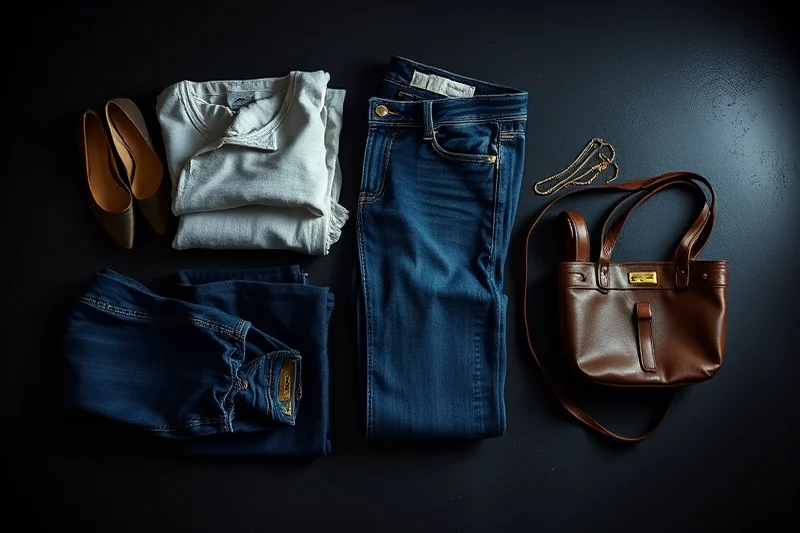
Building a capsule wardrobe with tailored jeans is a great way to streamline your closet and reduce the number of clothes you own. I started with just five pairs of jeans — each tailored to fit perfectly on my body. This allowed me to mix and match with other pieces in my wardrobe, creating a variety of outfits without needing a large number of clothes.
I found that having a few well-tailored jeans was enough to get through most of the week. I paired them with different tops, shoes, and accessories to create new looks each day. This not only saved me time in the morning but also helped me stay organized and focused on quality over quantity.
I tested this by creating a small capsule wardrobe with just five tailored jeans and a few other key pieces. The result was a wardrobe that was easy to manage and looked great every time I wore it. It’s a small change, but it makes a big difference in how you approach your closet.
The Benefits of a DIY Tailored Capsule Wardrobe
One of the biggest benefits of building a DIY tailored capsule wardrobe is the cost savings. Instead of buying new jeans every time I needed a different inseam length, I learned how to alter my own clothes. This not only saved me money but also reduced the amount of waste I contributed to the fashion industry.
I found that tailoring my own jeans gave me a sense of accomplishment and control over my wardrobe. It was rewarding to see how a simple alteration could transform a pair of jeans into a perfectly fitting piece of clothing. It also helped me become more confident in my fashion choices and how I presented myself to the world.
The most surprising benefit was how much time I saved by having a capsule wardrobe built around tailored jeans. With fewer clothes to manage, I was able to spend more time on other things. It was a small change, but it had a big impact on my daily life.
⭐ Classic
The traditional method of tailoring with minimal reinforcement.
💰 Budget
A low-cost DIY approach using minimal materials.
⚡ Extra-Fast
A quicker method for those who need a fix in a short time.
✨ Depth
A more detailed, step-by-step guide for beginners.
🥗 Light
A simplified version for those who want minimal effort.
| The mistake | Why it happens | The fix |
|---|---|---|
| Cutting the wrong seam or not measuring accurately. | If you cut the wrong seam or measure incorrectly, the jeans may not fit properly or may even be unusable. | Always double-check your measurements and take your time when working with the seams. |
| Not reinforcing the seams after resewing. | If you don’t reinforce the seams, they may come apart after a few wears, making the alteration ineffective. | Use fabric stiffener or iron-on interfacing on the inside of the seams to increase durability. |
| Using the wrong thread color. | Using a thread color that doesn’t match your jeans can make the alteration look unprofessional and may even damage the fabric over time. | Always use a thread that matches the color of your jeans. |
| Stretching the denim too much or not enough. | If you stretch the denim too much, it may tear or not lie flat. If you don’t stretch it enough, the seams may pucker or look unnatural. | Use a piece of cardboard to help shape the seams and stretch them slightly while resewing. |
What You'll Need tap to check off
- 1 lb Denim fabric
- ½ cup Fabric stiffener
- Thread (matching denim color) to taste
Method tap a step when done
- Gather all your tools — seam ripper, sewing machine, measuring tape, and thread.
- Use the seam ripper to carefully open up the back seam of your jeans.
- Measure the new inseam length and mark it with a fabric pencil.
- Stretch the denim slightly while resewing the seam to ensure a natural fit.
- Reinforce the seams with fabric stiffener to increase durability.
- Allow the jeans to dry completely before wearing them.
Key Facts
Diy Tall Jeans Inseams Capsule Wardrobe Building
Common Questions
How long does it take to alter a pair of jeans?
What tools do I need to tailor my own jeans?
Can I tailor jeans without a sewing machine?
How do I know if the jeans are the right inseam length?
Cite this guide
Inseamchart (2026). Diy Tall Jeans Inseams Capsule Wardrobe Building. https://inseamchart.com/diy-tall-jeans-inseams-capsule-wardrobe-building/[3]
Feel free to cite or share this guide.
References
- Form S-1 - SEC.gov (sec.gov)
- 2026 Madison County Fairbook - Nebraska Extension (extension.unl.edu)
- Nordstrom Petite Skirts: Trendy Styles & Fits For Every Season (lsfellowship.missouri.edu)
- the core collection - Parsons School of Design (parsons.edu)