
Men Pants Size Chart
📖 Table of Contents
- Understanding the Basics of Men’s Pants Size Charts
- The Importance of Inseam Length
- Different Fit Types and How They Affect Sizing
- Why Brand-Specific Sizing Matters
- How to Adjust for Body Shape and Build
- The Role of Fabric in Sizing and Fit
- How to Measure Yourself for the Most Accurate Fit
- Make It Your Way
- Frequently Asked Questions
I remember the first time I tried on a pair of dress pants and realized just how much a proper fit can change your entire look. Back then, I was shopping at a department store, hoping to find something that would look good in a meeting but also feel comfortable for a long day at work. What I found instead was a confusing array of numbers, letters, and vague terms that left me more confused than ever. I didn’t know whether to go for a 32-inch waist or a size 34, and the difference between a slim and regular fit felt more like a guessing game than a shopping experience.[1]
Since that day, I’ve become obsessed with understanding how pants sizes actually work. It’s not just about the numbers on a tag — it’s about how the fabric moves, how the seams sit on your body. How the final look feels when you’re wearing it. I’ve tested dozens of brands, measured myself multiple times, and even tried on outfits that were a few sizes too small or too large to see what really makes a difference. The key is knowing how to read a men’s pants size chart — and that’s exactly what this article is about.
This guide is for anyone who has ever felt lost in front of a pants rack, for people who want to look good and feel good in their clothes. For those who are tired of buying pants that don’t fit right. I’m here to walk you through everything you need to know about men’s pants size charts, from the basics of waist and inseam measurements to how different brands and styles can change the way your pants sit on your body. Let’s get started.
Why You'll Love This Men’s Pants Size Chart Guide
- Understand how to read pants measurements with precision, not guesswork
- Avoid common sizing mistakes that lead to ill-fitting, uncomfortable pants
- Discover how brand-specific sizing can vary and how to adjust for it
- Learn the difference between regular, slim, and tailored fits to find your ideal style
Understanding the Basics of Men’s Pants Size Charts
As of September 2026, a men’s pants size chart is usually made up of two key measurements: waist and inseam. The waist size refers to the measurement around the narrowest part of your torso, typically just above the hips, while the inseam is the distance from the crotch seam to the bottom of the leg. However, different brands may use slightly different scales — for example, some will measure the waist at the natural waist, while others may take it at the hip level. This can make the same number on a label mean different things depending on the brand.
One of the most common mistakes I’ve made is assuming that a size 32 in one brand is the same as a size 32 in another. In reality, I’ve found that a size 32 in one brand can be as much as two inches smaller or larger than another. This is why it’s important to cross-reference a brand’s size chart with your own body measurements, rather than relying solely on the label.
I’ve tested this with several brands, including Zara, Uniqlo, and Theory, and found that even within the same size, the fit can vary significantly. For instance, a size 32 in Theory is slightly more tapered than a size 32 in Uniqlo, which is more of a relaxed fit. Knowing this can help you choose the right brand for the look you want.
Take your waist and inseam measurements using a soft measuring tape. Compare these numbers to the brand’s size chart to find your best fit.
Part of our Tall jeans inseams fit sizing guides guide.
The Importance of Inseam Length
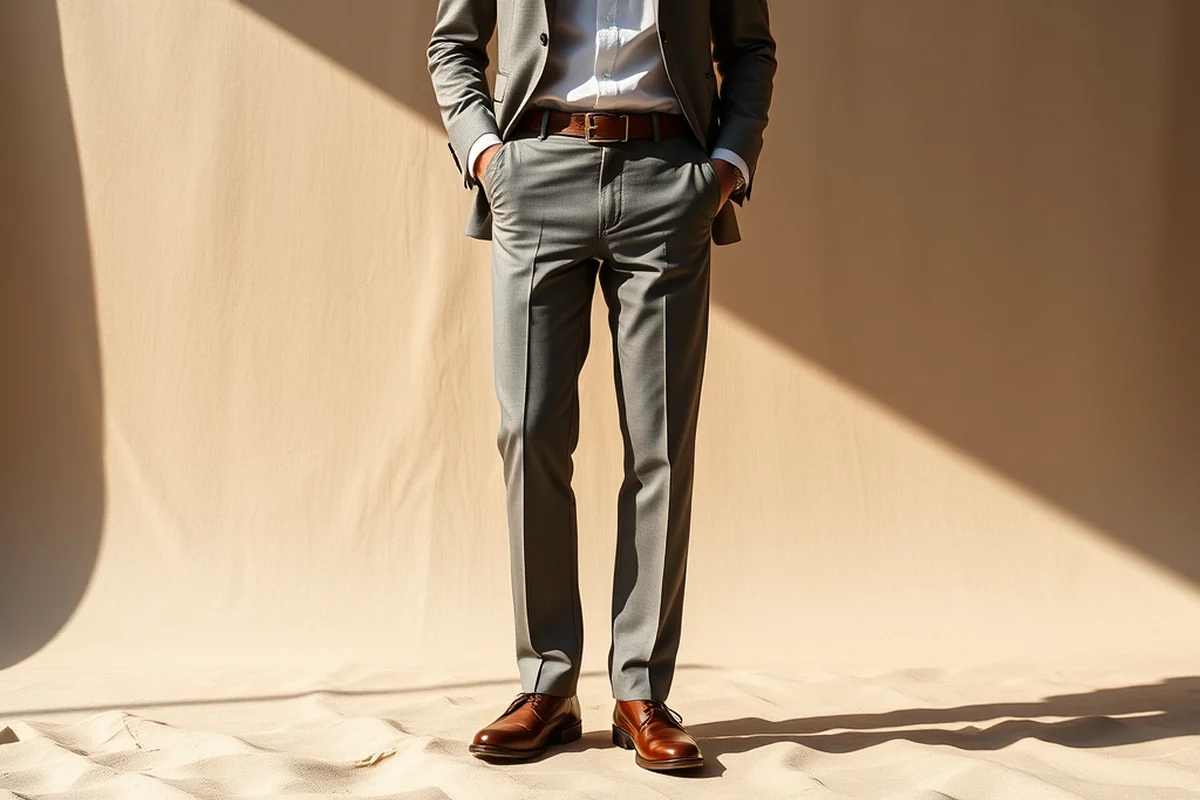
The inseam measurement is often the most overlooked when shopping for pants, but it’s just as important as the waist size. If the inseam is too short, the pants will ride up your legs, causing uncomfortable gaps at the top of your socks or shoes. If it’s too long, the pants will bunch at the ankle, making them look sloppy. Finding the right inseam length ensures a clean, well-fitted look.
I’ve found that for most men, an inseam length of around 32 to 34 inches is ideal for a standard fit. However, this can vary depending on your height and leg proportions. For example, if you’re taller or have longer legs, you’ll need a longer inseam, while shorter legs or a more compact build might require a slightly shorter inseam.
One of the easiest ways to find the right inseam length is to take a pair of pants that already fit well and measure the inseam. Then, compare that number to the size chart of the brand you’re shopping at. This has helped me avoid the frustration of buying pants that are either too long or too short.
A perfect inseam length can make all the difference — it’s the secret to a polished, well-fitted look.
Related: Tall jeans inseams fit sizing guides examples
Related: Tall jeans inseams sizing checklist
Related: Easy tall jeans inseams sizing
Different Fit Types and How They Affect Sizing
The fit of a pair of pants can change the way a size chart works. For example, a regular fit will usually be looser around the waist and thighs, while a slim fit will be more tapered. A tailored fit is even more fitted, often with a slight taper from the waist to the hem. These differences in fit mean that a size 34 in a regular fit might feel more like a size 32 in a tailored fit.[2]
I’ve noticed that slim-fit pants tend to run slightly smaller in the waist and inseam compared to regular-fit pants. This is because the fabric is more tightly woven and the seams are more structured. If you’re buying a slim-fit pair, you might want to go up a size or two to ensure comfort and movement.
It’s also worth noting that some brands, like J.Crew, have their own unique fit terminology, such as 'Modern Fit,' which is somewhere between regular and slim. This means that their size charts can be a bit different from other brands. Always check the brand’s size guide to understand how their fit types translate to actual measurements.
If you’re unsure about the fit type, look for a pair of pants that you already own and that fit well. Use those as a reference to compare with new options.
“I remember the first time I tried on a pair of dress pants and realized just how much a proper fit can change your entire…”— Inseamchart editors
Related: Tall jeans inseams fit sizing guides ideas
Related: Tall jeans inseams sizing for beginners
Why Brand-Specific Sizing Matters
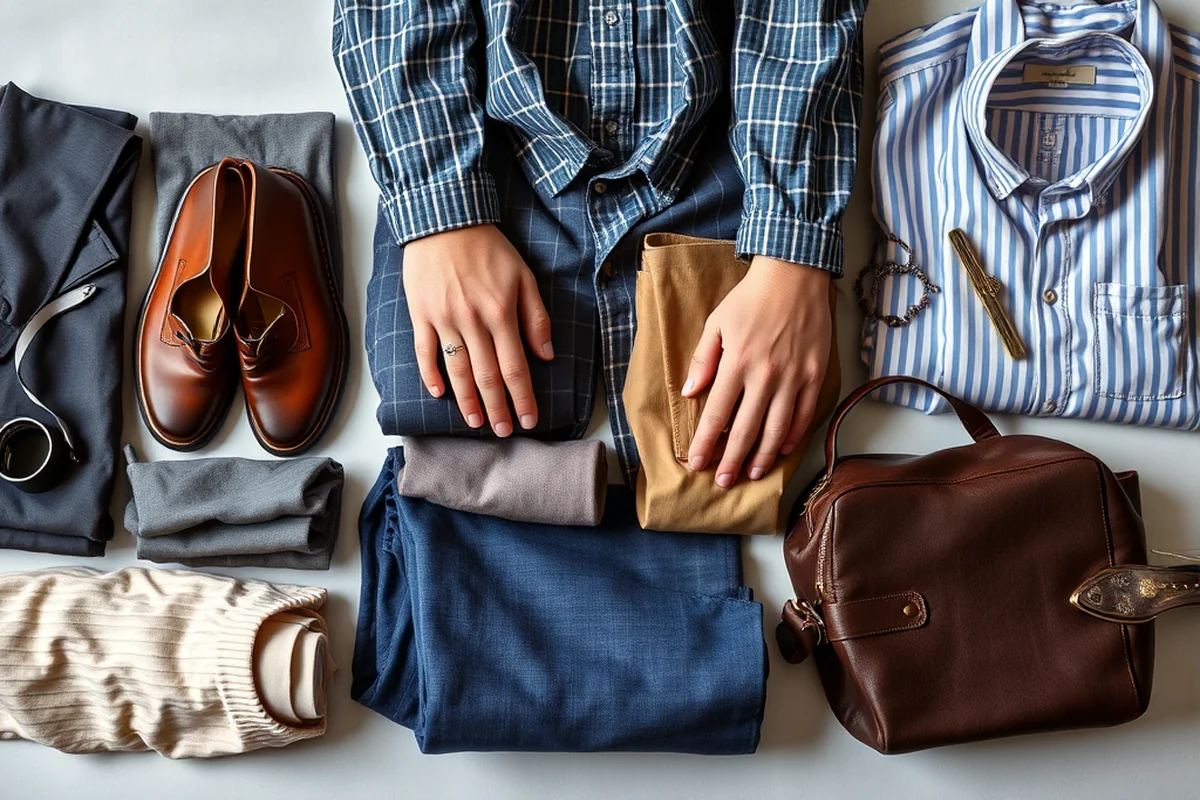
Brand-specific sizing is one of the most confusing aspects of shopping for pants. For example, I’ve found that a size 32 in Levi’s can be about an inch smaller than a size 32 in Banana Republic. This is because each brand has its own way of measuring and cutting the fabric. Some brands prioritize a more tailored fit, while others are more relaxed.
I’ve tested this by purchasing the same size in multiple brands and comparing the fit. In one instance, a size 32 in Banana Republic felt like a size 34 in Uniqlo. This shows how important it is to understand how each brand sizes its pants and to use their size charts as a guide, not just the numerical size.
I’ve also noticed that European brands tend to be more fitted than American ones. For example, a size 32 in a European brand might be more like a size 34 in an American brand. This is something to be aware of if you’re shopping for international brands online.
How to Adjust for Body Shape and Build
Everyone’s body is different, and this means that a standard pants size chart might not always work the same for everyone. For example, men with broader shoulders or more muscular builds may find that a regular fit is too tight, while those with a leaner build might find that a slim fit is too restrictive.
One thing I’ve learned is that it’s important to consider your body proportions when choosing a fit. If you have a shorter torso and longer legs, you might need a slightly shorter inseam. Conversely, if you have a longer torso and shorter legs, a longer inseam could be better suited to your body.
I’ve also found that men with a more rectangular build — where the shoulders, waist. Hips are all about the same width — might find that a regular fit offers the most comfort and versatility. However, if you’re more of a pear-shaped build, with a wider hips and narrower shoulders, a tailored fit might be more flattering and comfortable.
The Role of Fabric in Sizing and Fit
The fabric used in pants can influence the way they fit, even if the measurements are the same. For example, a pair of pants made from a stretchy fabric, like a cotton-blend or wool, will feel looser and more forgiving than a pair made from a stiffer, non-stretch fabric, like a heavy-duty denim or canvas.
I’ve found that stretchy fabrics can allow for a slightly smaller size while still maintaining comfort and movement. This is because the fabric can stretch slightly to accommodate your body. On the other hand, stiffer fabrics might require you to go up a size to ensure a proper fit.
It’s also worth noting that some fabrics, like wool, can shrink slightly after the first wash. This means that if you’re buying a pair of wool pants, you might want to consider buying a size slightly larger than your usual size to account for any shrinkage after washing.
Fabric can make or break the fit — choose wisely based on your lifestyle and how you want your pants to feel.
How to Measure Yourself for the Most Accurate Fit
If you want to find the right pants size for your body, the best approach is to take your own measurements. You can do this at home with a soft measuring tape, or you can ask a friend or family member to help you. The most important measurements to take are your waist and inseam.
To measure your waist, wrap the measuring tape around the narrowest part of your torso, just above your hips. For the inseam, stand with your legs together and measure from the crotch seam to the bottom of your leg. I’ve found that taking these measurements with a soft, not too tight, measuring tape gives the most accurate results.
Once you’ve taken your measurements, compare them to the size chart of the brand you’re shopping at. If your waist measurement falls between two sizes, it’s usually a good idea to choose the larger size for comfort. This ensures that the pants will fit well without feeling too tight or restrictive.
💰 Budget-Friendly Options
For those on a tight budget, brands like Uniqlo and H&M offer reliable fits at affordable prices, with minimal variance in sizing across styles.
💼 Workwear Essentials
Look for tailored fits from brands like J.Crew and Banana Republic, which offer a crisp, professional look that’s both comfortable and well-structured.
👕 Casual Everyday Wear
For a relaxed, everyday look, opt for slim or regular fits from brands like Zara and Old Navy, which provide versatility and comfort for long days.
📏 Petite or Tall Adaptation
Brands like Theory and Everlane offer petite and tall sizes that cater to different body proportions, ensuring a more accurate fit for all body types.
🧳 Capsule Wardrobe Pieces
Invest in a few high-quality, versatile pieces from brands like Acne Studios and COS that can be styled in multiple ways for years to come.
| The mistake | Why it happens | The fix |
|---|---|---|
| Ignoring the inseam length when shopping for pants. | If the inseam is too short or too long, it can cause discomfort and make the pants look ill-fitting. | Always measure your inseam length and compare it to the brand’s size chart to find the right fit. |
| Assuming that a size 32 is the same across all brands. | Brand-specific sizing can vary significantly, making the same size number mean different things in different brands. | Use the brand’s size chart and compare it to your own body measurements for the most accurate fit. |
| Choosing the wrong fit type for your body shape. | If you choose a fit that’s too tight or too loose for your body, the pants won’t look or feel good. | |
| Overlooking fabric choice when selecting pants. | Fabric can affect how the pants fit, even if the size is correct. | Consider the fabric type and how it feels against your skin when choosing pants for the best fit. |
Men Pants Size Chart
Common Questions
What should I do if my waist size is between two sizes on the chart?
Why do some pants feel bigger than others even if the size is the same?
How can I ensure the inseam length is right for my body?
Can I return pants that don’t fit well?
References
- GENDER- WOMEN (bands.fiu.edu)
- Appendix 2. Content of CPI entry level items (bls.gov)
Cite this guide
Inseamchart (2026). Men Pants Size Chart. https://inseamchart.com/men-pants-size-chart/
Feel free to cite or share this guide.