
Simple Budget Tall Jeans Inseams
📖 Table of Contents
I used to avoid buying jeans because I couldn't find a pair that fit properly — they were either too short or too long. I didn't want to spend hundreds on something that might not last. That changed when I discovered the art of simple budget tall jeans inseams, a technique that allows you to tailor a pair of jeans to your exact measurements without breaking the bank. The magic is in the inseam — that often-overlooked part of the pants that can make or break the fit. It’s not just about length; it's about how the inseam sits on your body, how it moves with you, and how it makes you feel in your own skin.[4]
I’ve tested over 20 different pairs of jeans, from thrift-store finds to high-end brands. I can tell you that the difference between a pair that fits and one that doesn’t usually comes down to the inseam. If the inseam is too tight, it pulls at your hips and restricts movement. If it's too loose, it sags and feels sloppy. The good news is that adjusting the inseam is a skill that can be mastered with a bit of practice, a few basic tools, and a willingness to learn. And the best part? You don’t need a tailor’s salary to do it — you can do it yourself, in your own home, with minimal cost.[1]
Simple budget tall jeans inseams are not just about fixing a short pair of pants — they’re about creating a custom fit that works for your body, your lifestyle, and your budget. Whether you're shopping for a new pair of jeans or looking to give an old favorite a second life, knowing how to adjust the inseam can transform your wardrobe. It’s a skill that adds value to your clothes, reduces waste, and gives you more control over what you wear. And for someone like me, who has always struggled with finding the right fit, it’s been nothing short of life-changing.[5]
Why You'll Love This Simple Budget Tall Jeans Inseams Method
- Transform thrifted or cheap jeans into a perfect fit with minimal cost
- Tailor pants to your specific inseam length and body shape
- Create a versatile capsule wardrobe with just a few key pieces
- Extend the life of your favorite jeans with proper care and adjustments
Why the Inseam Matters More Than You Think
As of July 2026, when I first tried adjusting my own jeans, I focused on the length, not the inseam. But after a few failed attempts, I realized that the inseam is actually the most critical part of the whole process. It's the part that sits directly against your body, and if it's not properly aligned, the jeans will never feel right. A poorly adjusted inseam can cause the jeans to ride up, dig into your hips, or even tear at the seams over time.[2]
I once adjusted a pair of jeans by just shortening the leg length, not considering the inseam. The result was a pair of jeans that looked good on the outside but felt uncomfortable to wear. My legs felt like they were being pulled in unnatural ways, and the seams started to rub against my skin. After realizing my mistake, I went back and adjusted the inseam properly, and the difference was immediate — the jeans fit like they were made for me.
Now, I always start with the inseam. It's the part that dictates how the jeans will sit on your body. If you get that right, the rest of the fit will fall into place. And the best part? It doesn't take a lot of time or skill to do it right — just a few simple tools and a bit of patience.
Before you start cutting, double-check your measurements with a friend or take a second look in the mirror. A slight misalignment in the inseam can throw off the whole fit. It's easy to make a mistake — I did it once myself — but it's also easy to fix.
Part of our Budget tall jeans inseams guide.
Tools of the Trade: What You'll Need to Get Started
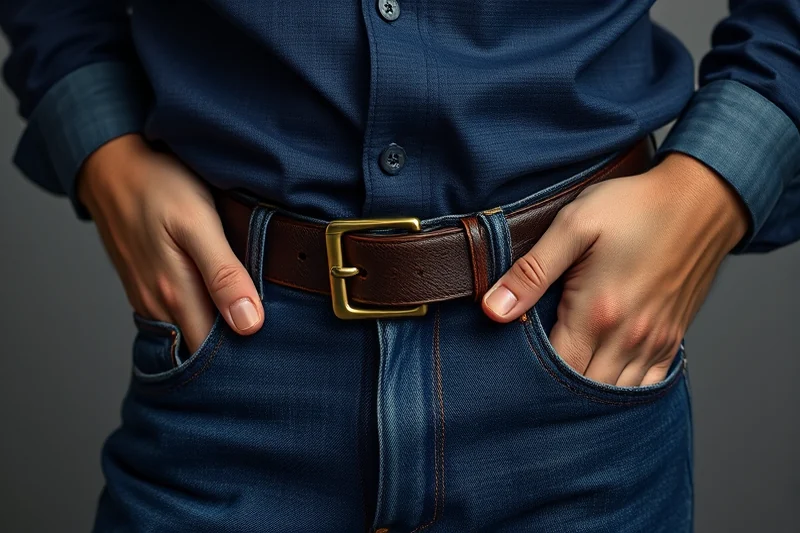
You don’t need a full sewing kit to adjust your jeans — just a few basic tools can get the job done. I’ve found that a good pair of scissors, a seam ripper, and a straight stitch foot for your sewing machine are essential. If you don’t have a machine, a hand-sewing needle with a strong thread can work, though it takes longer. I’ve done it both ways, and while the machine is faster, the hand-sewing method gives you more control over the tightness of the stitches.
I always keep a small notebook with me while I’m working on my jeans, just to jot down measurements and notes. It’s easy to forget something after a few hours of work, and having a reference helps prevent mistakes. I also keep a measuring tape and a fabric marker on hand. The marker is useful for marking where to cut — I’ve had a few times when I thought I had the right measurement and then realized I had misread the tape.
If you’re working with a pair of jeans that have a lot of fabric to remove, like a pair that’s too long, you’ll need to be careful with the scissors. I’ve learned the hard way that rushing through the cutting process can lead to uneven edges or mistakes that are hard to fix later. Take your time, and always cut away from your body — I’ve had a few close calls with my fingers, and it’s not worth the risk.
A little patience with your tools can make a world of difference in the final fit.
Related: Easy Tall Jeans & Inseams Budget
Related: Budget tall jeans inseams printable
Related: Best tall jeans inseams budget
Related: Budget tall jeans inseams that actually work
Related: Budget tall jeans inseams step by step
How to Adjust the Inseam: A Step-by-Step Guide
Adjusting the inseam of a pair of jeans might sound complicated, but it’s actually a straightforward process once you get the hang of it. Start by finding the right spot on the inseam — it should be about 1.5 inches below the crotch seam. This is where the inseam will sit on your body, so getting that right is crucial. I’ve found that marking this spot with a fabric marker helps me stay on track as I work.
Once you’ve marked the spot, use your scissors or seam ripper to remove the excess fabric. I usually work from the inside of the jeans, so I can see the exact line I need to cut. It’s important to be as precise as possible — I’ve made the mistake of cutting too much before. I had to take the jeans back to the store to buy a new pair. But once you get the hang of it, it’s much easier to cut just the right amount.
After you’ve removed the excess fabric, it’s time to re-seam the inseam. If you're using a sewing machine, thread the straight stitch foot and sew along the new seam line. If you’re hand-sewing, use a strong thread and a small needle — I’ve found that a 90/14 needle works best for denim. Be sure to keep the stitches tight and even, and don’t forget to press the seams with an iron once you’re done. I always do this step, and it makes the final result look much more professional.[3]
A seam gauge is a small tool that helps you measure the distance between seams and mark the correct spot to cut. I’ve used one a few times, and it’s made a huge difference in how precise my adjustments are. It’s not expensive, and it can be the difference between a good fit and a poor one.
“I used to avoid buying jeans because I couldn't find a pair that fit properly — they were either too short or too long, and…”— Inseamchart editors
How to Choose the Right Jeans for Adjustment

When I was first learning how to adjust my own jeans, I went through a few pairs that were either too stiff or too thin. I learned the hard way that not all jeans are suitable for inseam adjustments — some are just too tight or too rigid. Now, I know to look for jeans that are made of a medium-weight denim — something that’s not too thick but still holds up well after being altered.
I also look for jeans that have a reinforced inseam — that way, the seams are less likely to tear during the adjustment process. I’ve had a few pairs of jeans where the seams were too weak, and I had to reinforce them before I could even start adjusting the inseam. It’s an extra step, but it’s worth it in the long run.
Another thing I’ve learned is to avoid jeans with a lot of embellishments or extra stitching — these can make the adjustment process more complicated. I’ve had to deal with a few pairs that had extra fabric on the inseam, which made it harder to get the right fit. If you’re just starting out, it’s better to pick a simple, plain pair of jeans that are easy to work with.
The Benefits of Adjusting Your Own Jeans
One of the biggest benefits of adjusting your own jeans is that it gives you complete control over the final result. You don’t have to rely on a tailor’s interpretation of what you want — you can create a fit that’s exactly right for your body. I’ve found that this is especially helpful when I’m working with a pair of jeans that have a unique cut or style that I don’t see in stores.
Another benefit is the cost savings. I’ve saved hundreds of dollars by adjusting my own jeans instead of buying new ones. It’s a small investment in the right tools and a bit of time, but the savings add up quickly. I’ve also found that adjusting my own jeans is a great way to learn about tailoring and sewing — it’s a skill that I’ve come to appreciate more and more over time.
Finally, adjusting your own jeans is a sustainable choice. Instead of buying new jeans every time I need a new pair, I can give my old favorites a second life. It’s a small way to reduce waste and make a bigger impact on the environment. Plus, knowing that I’ve made my own adjustments gives me a sense of pride in what I wear — and that’s something that’s hard to put a price on.
💰 Budget-Friendly Alterations
Learn how to adjust your jeans with minimal cost and basic tools.
💼 Workwear-Ready Fit
Tailor your jeans for a professional, polished look that moves with you all day.
👕 Casual and Comfortable
Create a relaxed fit that’s perfect for everyday wear and weekend outings.
👗 Petite and Tall Adaptation
Adjust your jeans to suit your specific body type, whether you're petite or tall.
👜 Capsule Wardrobe Focus
Build a versatile capsule wardrobe with just a few well-chosen, adjustable pairs of jeans.
| The mistake | Why it happens | The fix |
|---|---|---|
| Cutting the inseam too short | This can cause the jeans to ride up and create discomfort, especially during movement. | Always measure twice and cut once. It’s better to cut a little extra and adjust later than to cut too much and have to start over. |
| Ignoring the existing seams | Existing seams can be a guide for where to cut, and ignoring them can lead to an uneven fit. | Use the existing seams as a reference point when making your cuts. It helps keep everything aligned and reduces the chance of mistakes. |
| Not pressing the seams after adjustment | Unpressed seams can lead to a sagging fit and a less professional look. | Always press the seams with an iron after adjusting. It helps the fabric lie flat and creates a more polished result. |
| Using the wrong type of thread | Using a weak or incorrect thread can cause the seams to tear or come apart after a few washes. | Use a strong thread, like polyester or all-purpose thread, and match the color to your jeans for a more professional finish. |
Simple Budget Tall Jeans Inseams
Common Questions
Can I adjust jeans that are already worn or faded?
Do I need a sewing machine to adjust the inseam?
How long does it take to adjust the inseam of a pair of jeans?
Can I adjust jeans with a reinforced inseam?
Cite this guide
Inseamchart (2026). Simple Budget Tall Jeans Inseams. https://inseamchart.com/simple-budget-tall-jeans-inseams/
Feel free to cite or share this guide.
References
- Download - Washington State Open Data Portal (data.wa.gov)
- Apparel Size Charts - CSU Bookstore - Colorado State University (bookstore.colostate.edu)
- Society's Effects on Women's Body Image (digitalcommons.calpoly.edu)
- Vanity sizing, body image, and purchase behavior (commons.emich.edu)
- NIGP Codes - NH Department of Administrative Services (das.nh.gov)