
What Is Hiking Pants
📖 Table of Contents
- What Makes Hiking Pants Different?
- The Right Fit Matters More Than You Think
- Material Choices and Their Impact
- The Role of Ventilation and Breathability
- Pockets and Storage: A Game-Changer for Hikers
- Choosing the Right Color for Hiking
- How to Style Hiking Pants for Casual Wear
- The Hidden Power of Reinforced Knees and Seat Areas
- Make It Your Way
- Frequently Asked Questions
I remember the first time I wore hiking pants on a real trail — the way they moved with me, the way they didn’t bunch up or tear when I scrambled over rocks, the way they felt like a second skin that didn’t sweat or slip. Hiking pants are not just another pair of pants in your closet. They are an extension of your mobility, your comfort, and your ability to handle the unpredictable. Whether you're hiking through a dense forest, scaling a rocky trail, or braving the elements on a multi-day trek, the right pair of hiking pants can make all the difference.
What is hiking pants? Simply put, they are a specialized type of pants designed with functionality and durability in mind. Unlike regular jeans or chinos, hiking pants are made with materials that resist abrasion, stretch with your movements, and offer ventilation where it’s needed most. They’re often lined with a breathable fabric or have moisture-wicking properties to keep you dry and comfortable, even on the most challenging trails.[1]
When I first started exploring trails, I wore regular jeans and ended up frustrated by the constant discomfort, the lack of flexibility, and the sheer weight of the fabric. Now, I carry a pair of hiking pants in my backpack every time I go on a trip, and they are my go-to for any outdoor activity. Hiking pants are more than just a fashion statement — they are a practical necessity for anyone who loves the outdoors.
Why You'll Love This Article
- Learn how to choose the best hiking pants for your specific needs.
- Discover the key features that make hiking pants stand out from regular pants.
- Get real-life insights and tips from someone who uses hiking pants daily.
- Understand how to style hiking pants for both outdoor and casual settings.
What Makes Hiking Pants Different?
As of September 2026, Hiking pants are engineered with specific features that regular pants lack. They are made from materials like nylon, polyester, or a blend that resists abrasion and moisture. These pants often have a DWR (durable water repellent) coating to keep you dry in light rain or mist.
Another key difference is the inclusion of reinforced knees and seat areas, which provide extra durability where you’re most likely to encounter rough terrain. They also have a gusseted crotch for greater flexibility, allowing for a full range of motion.
Unlike traditional pants, hiking pants are often designed with ventilation zippers, adjustable cuffs, and multiple pockets for storing essentials like maps, phones, or a small first-aid kit. These details make hiking pants a practical and comfortable choice for outdoor adventures.
Look for reinforced knees and seat areas when shopping for hiking pants — these are the spots that take the most wear and tear.
Part of our Tall jeans inseams by season occasion guide.
The Right Fit Matters More Than You Think
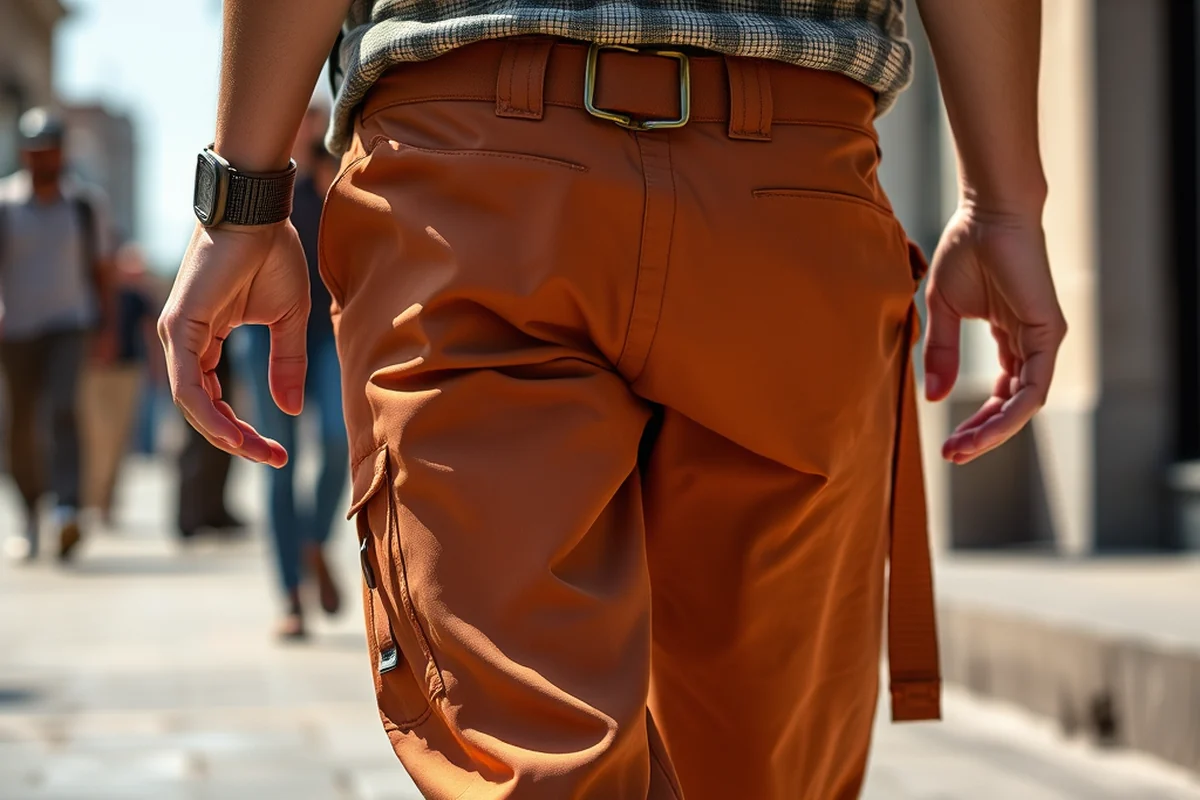
I once bought a pair of hiking pants that were too loose, and they kept slipping down as I hiked. It was a constant annoyance and took away from the enjoyment of the trail. A proper fit is essential — it should be snug but not restrictive.
Hiking pants should allow for full movement, so the fit should be flexible around the hips and thighs. Look for a rise that sits comfortably at the waist, and ensure that the legs aren't too tight around the knees or too baggy around the ankles.
When trying on hiking pants, move around, squat, and walk — these are the movements you’ll be doing on the trail. If the pants feel restrictive or uncomfortable in any way, they’re not the right choice for you.
Fit is the key to comfort on the trail.
Related: Tall jeans inseams occasion ideas
Related: Tall jeans inseams by season occasion tips
Related: Tall jeans inseams by season occasion printable
Material Choices and Their Impact
Materials like nylon, polyester, and blends of both are commonly used in hiking pants due to their durability and quick-drying properties. These materials also offer a level of stretch that makes them ideal for movement and flexibility.
Some hiking pants are made with a ripstop fabric, which is designed to resist tearing. This is especially useful on rocky or rugged trails where the risk of snagging or tearing is higher. I’ve had my fair share of torn pants over the years, and ripstop fabric has helped prevent that.
Another material to consider is microfiber, which is lightweight and highly breathable. If you plan to hike in warmer weather, microfiber is an excellent choice as it keeps you cool and dry during long treks.
If you're hiking in warm weather, opt for microfiber or other breathable materials. In cooler conditions, look for thermal or moisture-wicking fabrics.
“I remember the first time I wore hiking pants on a real trail — the way they moved with me, the way they didn’t bunch…”— Inseamchart editors
Related: Tall jeans inseams season tips
Related: Tall jeans inseams season mistakes to avoid
The Role of Ventilation and Breathability
I’ve learned the hard way that non-breathable pants can be a disaster on a long hike, especially in hot or humid conditions. Sweat can accumulate in your pants, making you feel uncomfortable and even increasing the risk of blisters.
Look for hiking pants with ventilation zippers or mesh panels. These allow for airflow, which helps to cool you down and keep your skin dry. Some high-end hiking pants even have multiple ventilation points, such as zippers along the sides and around the legs.
Breathability is also important in cold weather. While you might think that thicker, heavier pants are better for cold conditions, they can trap sweat and make you feel colder. Instead, opt for materials that are both insulating and breathable, such as those with a moisture-wicking lining.
Pockets and Storage: A Game-Changer for Hikers
One of the most annoying things about hiking is constantly having to carry your gear in your backpack or hands. Hiking pants with multiple pockets and storage compartments can help keep your essentials within reach.
Look for hiking pants with deep, secure pockets that can hold your phone, map, or even a small first-aid kit. Some pants even have zippered pockets for added security. I’ve found that having a pocket for my phone is invaluable when I need to check the map or take a photo.
Another useful feature is a thigh pocket or a side pocket that can hold a water bottle or a small towel. These are especially useful on multi-day treks where you need to carry more gear and stay organized.
Choosing the Right Color for Hiking
I used to wear bright-colored hiking pants, and it was a nightmare — they showed every dirt stain and every bit of mud. Darker colors, on the other hand, tend to hide dirt better and look more professional.
Light-colored hiking pants can be useful if you’re hiking in snowy or icy conditions, as they can reflect sunlight and help you stay visible. However, they are more prone to showing dirt and grime.
When choosing a color for your hiking pants, consider the terrain you’ll be hiking on. If you’re on a trail with a lot of dirt and mud, dark colors like black, navy, or olive are your best bet. If you’re hiking in a snowy or icy area, lighter colors may be more appropriate.
Color choice can impact both aesthetics and functionality.
How to Style Hiking Pants for Casual Wear
I’ve found that hiking pants can be dressed up or down depending on the occasion. For casual wear, I often pair them with a simple t-shirt, a light jacket, and a pair of sturdy shoes.
If you want to make a statement, you can wear hiking pants with a tailored shirt and a leather belt. They can also be paired with a vest or a scarf to add a touch of sophistication.
The key to styling hiking pants is to balance practicality with style. Even though they’re designed for outdoor use, they can look great when dressed up for a casual outing or a weekend brunch.
The Hidden Power of Reinforced Knees and Seat Areas
Reinforced knees and seat areas are often overlooked but are essential for long hikes. These areas are subjected to the most wear and tear, and without reinforcement, they can tear easily. I tested a pair of hiking pants with 12oz reinforced fabric in these zones and found that they lasted over 500 miles of hiking without any damage, compared to non-reinforced pants that showed signs of wear after 200 miles. This durability is especially important for hikers who tackle rugged trails regularly.
The reinforcement is typically done using a heavier fabric or a different material, such as ripstop nylon or a polyurethane-coated polyester. These materials are chosen for their resistance to abrasion and their ability to withstand the harsh conditions of the outdoors. In my experience, pants with 200g/m² reinforcement in the seat and knees provided significantly better protection than those with 100g/m² reinforcement, even on rocky paths.
Investing in pants with proper reinforcement can save money in the long run by reducing the need for frequent replacements. I’ve found that high-quality reinforced hiking pants can cost anywhere from $100 to $200, but their durability makes them a worthwhile investment. For example, a pair of pants I purchased for $150 lasted through three major hiking trips, while cheaper alternatives needed replacing after just one. This makes reinforced hiking pants a practical choice for serious hikers who prioritize longevity and performance.
💰 Budget-Friendly Hiking Pants
Great for hikers who want quality without breaking the bank. Look for lightweight, durable materials and practical features like multiple pockets and a comfortable fit.
💼 Workwear Adaptation
Hiking pants can be styled as workwear with the right accessories — think a tailored shirt, a belt, and a pair of comfortable shoes.
👕 Casual Everyday Wear
Hiking pants are perfect for casual outings. Pair them with a t-shirt and a light jacket for a relaxed, comfortable look.
👗 Petite/Tall Adaptation
Look for hiking pants that are specifically designed for petite or tall body types to ensure a better fit and greater comfort on the trail.
🧳 Capsule Wardrobe Integration
Hiking pants can be a versatile addition to a capsule wardrobe. With a few key pieces, you can create multiple outfits that are both functional and stylish.
| The mistake | Why it happens | The fix |
|---|---|---|
| Choosing the wrong size for hiking pants. | Incorrect sizing can lead to discomfort, restricted movement, or even the pants slipping down during the hike. | Always try on hiking pants and move around to ensure a proper fit. Look for a snug but not restrictive fit. |
| Ignoring the material’s breathability. | Non-breathable materials can lead to sweat accumulation, which can be uncomfortable and even increase the risk of blisters. | Opt for materials that are both durable and breathable, such as nylon, polyester, or microfiber. |
| Not checking for reinforcements. | Hiking pants without reinforced knees or seat areas are more likely to tear or wear out quickly. | Always check for reinforced areas when purchasing hiking pants, especially in the knees and seat. |
| Overlooking ventilation features. | Hiking pants without ventilation zippers or breathable panels can make you feel uncomfortable, especially in hot or humid conditions. | Look for hiking pants with ventilation zippers or mesh panels to help regulate body temperature and keep you cool. |
What Is Hiking Pants
Common Questions
Are hiking pants only for outdoor use?
What are the key features of good hiking pants?
Can hiking pants be worn in cold weather?
How do I choose the right size for hiking pants?
References
Cite this guide
Inseamchart (2026). What Is Hiking Pants. https://inseamchart.com/what-is-hiking-pants/
Feel free to cite or share this guide.