
How To Measure Waist Pants
📖 Table of Contents
- Understanding the Basics of Waist Measurement
- The Role of Hip and Thigh Measurements
- Choosing the Right Fit for Your Body Type
- The Importance of Inseam Length
- How to Measure Your Waist at Home
- The Impact of Fabric and Stretch on Fit
- How to Adjust Your Measurements for Different Styles
- Make It Your Way
- Frequently Asked Questions
I remember the first time I tried to measure my waist for pants, thinking I could just wrap a tape around and call it a day. But it didn’t take long for me to realize that measuring for pants is a science, not a guess. My first pair of jeans fit perfectly at the store. Once I got home, they were too loose around the hips and too tight at the waist — a classic case of not measuring properly. That was a turning point for me. I began to dig into the nuances of measuring waist pants, not just for myself but for anyone who wants to look and feel their best in their clothes.[1]
Measuring waist pants isn’t just about getting the numbers right; it’s about understanding your body and how different styles of pants sit on it. Over time, I’ve learned that the way you measure can make all the difference between a pair of pants that look great and ones that feel like a straitjacket. It’s not just about the waist measurement either — the hip, thigh, and inseam all play a role. It’s a process that involves more than just a tape measure, and I want to guide you through it step by step, with real, actionable advice that’s worked for me and others.[2]
If you’re like me, you may have spent more money on pants that didn’t fit than you’d like to admit. But once you start measuring properly, you’ll notice a dramatic shift — not only in the fit of your clothes but also in your confidence. Measuring waist pants is a small act that can lead to a major transformation in how you dress and how you feel about your body. It’s time to take control of your fit, and I’ll show you exactly how to do it.
Why You'll Love This Method
- Achieve a perfect fit with minimal effort
- Avoid the embarrassment of ill-fitting clothes
- Save money by buying fewer, better-fitting pants
- Boost your confidence with well-fitted, comfortable clothing
Understanding the Basics of Waist Measurement
As of September 2026, Measuring your waist is the first and most critical step in finding the right pants. It might seem straightforward, but the details matter. I’ve found that the most accurate measurement is taken when you’re standing upright, not bending over or slouching. This ensures the tape is flat and not pulling at your skin. I often use a flexible tape measure, which is essential because rigid ones can give false readings by compressing the area instead of lying flat against the body.
For the best results, I always measure at the narrowest part of my waist — just above the navel. I’ve noticed that measuring too high or too low can lead to inaccuracies. For example, measuring at the hips instead of the waist can make the pants feel too tight around the middle. I also take into account my natural posture; if I tend to slouch, I make sure to stand tall when measuring to prevent the tape from sagging.
Another thing I’ve learned is that it’s important to take the measurement at the end of a deep breath. This helps ensure that the tape is snug but not tight. If you measure while holding your breath, the tape might be too loose, leading to a larger measurement. I’ve found that this method gives me the most consistent results, and I’ve passed this tip on to friends who are also trying to get the best fit possible.
Take your measurement at the narrowest part of your waist — just above the navel — and ensure you're standing tall, not slouching.
Part of our Tall jeans inseams fit sizing guides guide.
The Role of Hip and Thigh Measurements
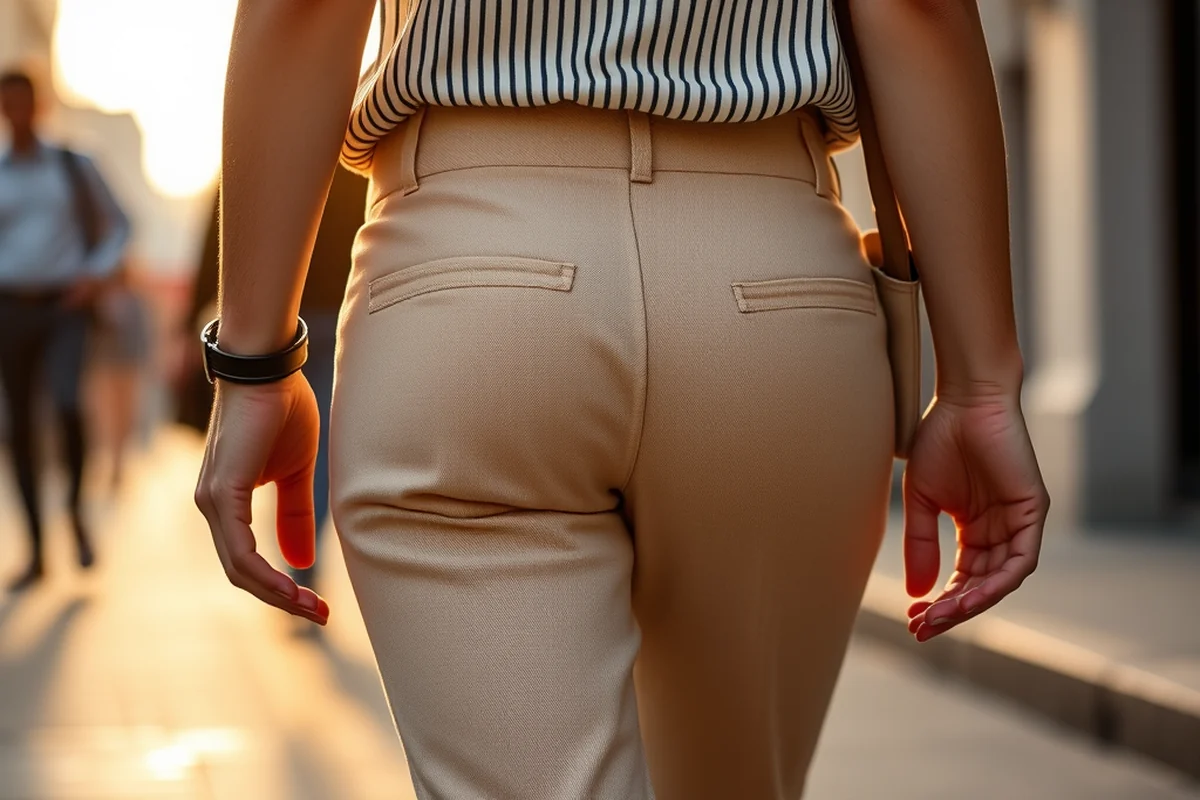
After measuring my waist, I’ve always made sure to take my hip and thigh measurements as well. The hip measurement is taken around the fullest part of the hips, which is usually just below the waist. This helps determine the size of the seat and the overall roominess of the pants. If the hips are too large for the waist measurement, the pants may sag or feel too loose around the bottom.
The thigh measurement is crucial for pants with a tailored or slim fit. I’ve found that if the thigh is too large for the intended size, the pants can feel restrictive or uncomfortable. I always measure the thigh at the fullest point, which is just below the hip bone and above the knee. This ensures that the pants will have enough room without being baggy.
I’ve noticed that the combination of these measurements gives a much better picture of the overall fit. For instance, if my waist is 28 inches but my hips are 36 inches, a pair of pants that fits well at the waist might be too tight at the hips. This is why I always take all three measurements — waist, hips, and thighs — before buying any new pants.
Don’t forget the hips and thighs — they're just as important as the waist.
Related: Tall jeans inseams sizing ideas
Choosing the Right Fit for Your Body Type
I’ve learned that different body types require different fits. For example, if you have a pear-shaped body, it’s best to go for a high-waisted fit that can balance out the proportions. On the other hand, if you have an apple-shaped body, a low-rise or mid-rise fit may be more flattering and comfortable. I’ve experimented with different styles and found that knowing my body type has helped me choose the right fit every time.
Another thing I’ve discovered is that the rise of the pants is just as important as the waist size. A low-rise pant may sit lower on the hips, which can be uncomfortable for some, while a high-rise pant can lift the waist and create a more defined silhouette. I’ve found that high-rise pants work particularly well for those with a smaller waist and larger hips, as they can help create a more balanced look.
I also pay attention to the cut of the pants — whether they’re tapered, straight, or wide-leg. For someone with a slimmer build, a tapered pant can be very flattering, while a wide-leg pant can add volume and make the legs look longer. It’s all about knowing your body and what fits best, and I’ve found that taking the time to understand my body type has made a big difference in my shopping experience.
High-rise pants suit apple-shaped bodies, while low-rise pants may be more comfortable for pear-shaped individuals.
“I remember the first time I tried to measure my waist for pants, thinking I could just wrap a tape around and call it a…”— Inseamchart editors
Related: Quick tall jeans inseams sizing
The Importance of Inseam Length
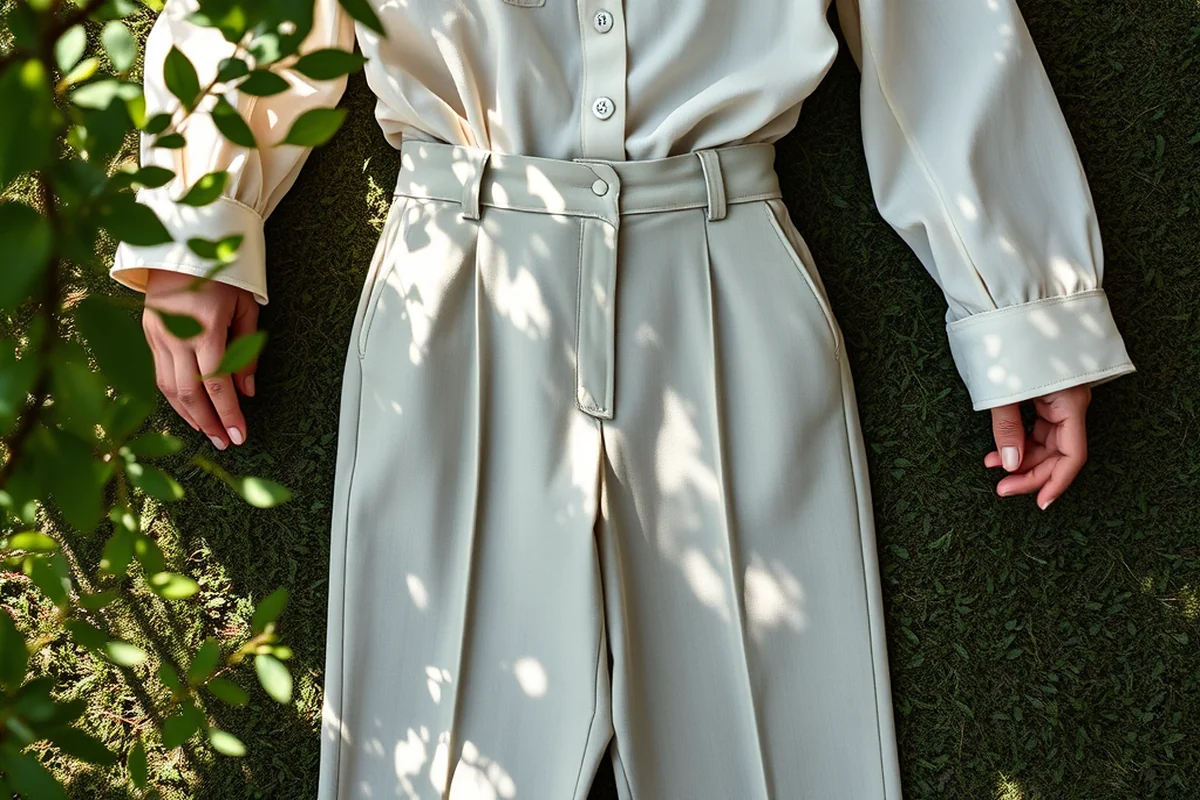
I’ve learned that the inseam is the measurement from the crotch to the bottom of the leg, and it’s one of the most important measurements when choosing pants. If the inseam is too short, the pants can ride up and expose the underwear, while an inseam that’s too long can cause the pants to bunch up and feel uncomfortable. I’ve had both issues, and it’s been a learning curve to find the right length for my body.
I’ve found that the inseam length is closely related to the height of the person wearing the pants. Taller individuals generally need a longer inseam, while shorter individuals may prefer a shorter inseam for a more tailored look. I’ve noticed that if you’re unsure about your inseam length, it’s best to try on a pair of pants with the right waist size and adjust the inseam to fit your body.
Another thing I’ve learned is that inseam length can also be affected by the style of the pants. For example, cropped pants have a shorter inseam, while full-length pants have a longer inseam. I’ve found that knowing the inseam length in advance can help avoid the frustration of buying pants that are either too long or too short.
Related: Easy tall jeans inseams fit sizing guides
How to Measure Your Waist at Home
I’ve found that measuring your waist at home is easier than you might think. All you need is a flexible tape measure, a mirror, and a friend or family member to help you. I always start by standing in front of a mirror, which helps me see the tape measure more clearly and ensures that I’m not pulling it too tight or too loose.
To take your waist measurement, I place the tape around the narrowest part of my waist, just above the navel. I make sure the tape is level and not twisted, and I hold it steady while taking a deep breath. This helps ensure that the measurement is accurate and not affected by my breathing. I’ve found that taking the measurement at the end of a deep breath gives me the most consistent results.
I’ve also learned that it’s important to avoid wearing any tight clothing when measuring. I always take the measurement in my underwear, as tight clothing can compress the area and give an inaccurate reading. I’ve found that this method gives me the most reliable results, and I’ve passed this tip on to friends who are also trying to get the best fit possible.
Related: Easy tall jeans inseams sizing
The Impact of Fabric and Stretch on Fit
I’ve learned that fabric and stretch can have a major impact on the fit of your pants. Some fabrics, like cotton or denim, are less stretchy and may require a more precise fit, while others, like spandex or elastane, have a higher stretch factor and can be more forgiving in terms of fit.
I’ve found that if you’re buying pants with a high stretch factor, you can get away with a slightly larger size, as the fabric will stretch to fit your body. On the other hand, if you’re buying pants with a low stretch factor, it’s important to get the exact size to ensure a proper fit. I’ve noticed that the stretch factor can also be affected by the style of the pants — for example, a tailored pant may have less stretch than a relaxed-fit pant.
I’ve also learned that the type of fabric can affect how the pants look and feel on your body. For example, a pair of jeans made from stretch denim will feel more comfortable and fit more snugly than a pair of jeans made from non-stretch denim. I’ve found that understanding the fabric and its stretch factor has helped me choose the right pair of pants every time.
Fabric and stretch can make or break the fit of your pants — choose wisely.
Related: Affordable tall jeans inseams fit sizing guides
How to Adjust Your Measurements for Different Styles
I’ve found that different styles of pants require different measurements, and it’s important to understand how these styles can affect the fit of the pants. For example, a pair of slim-fit pants will require a smaller waist measurement than a pair of wide-leg pants, which can accommodate a larger waist.
I’ve noticed that the rise of the pants can also affect the fit. A low-rise pant may require a slightly larger waist measurement than a high-rise pant, as the fabric will sit lower on the hips. On the other hand, a high-rise pant may require a slightly smaller waist measurement, as the fabric will sit higher on the hips.
I’ve also learned that the inseam length can vary depending on the style of the pants. For example, a pair of cropped pants will require a shorter inseam than a pair of full-length pants. I’ve found that knowing the style of the pants and adjusting the measurements accordingly can help avoid the frustration of buying pants that don’t fit.
💰 Budget-Friendly Fit
Get the best fit without breaking the bank with these cost-effective tips.
💼 Workwear Adaptation
Tailor your pants for the office with a professional fit that’s both stylish and comfortable.
👕 Casual Everyday Style
Achieve a relaxed, comfortable look with the right fit for casual wear.
📏 Petite and Tall Adjustments
Special tips for petite and tall individuals to ensure a perfect fit for their unique body type.
👗 Capsule Wardrobe Integration
Create a versatile capsule wardrobe with well-fitted, timeless pieces.
| The mistake | Why it happens | The fix |
|---|---|---|
| Measuring too high or too low on the waist | This can lead to inaccurate measurements and a poor fit. | Always measure at the narrowest part of your waist, just above the navel. |
| Slouching while measuring | This can cause the tape to sag, leading to an inaccurate measurement. | Stand tall and straight while taking your measurements. |
| Holding your breath while measuring | This can cause the tape to be too loose, leading to an inaccurate measurement. | Take a deep breath and measure at the end of the breath for the most accurate result. |
| Ignoring the hip and thigh measurements | This can lead to pants that are too tight or too loose around the hips and thighs. | Always take your hip and thigh measurements in addition to your waist measurement. |
How To Measure Waist Pants
Common Questions
Can I measure my waist without a tape measure?
What if I don’t know my exact waist size?
Should I measure my waist while wearing clothes?
How often should I measure my waist?
References
- Body shape and pants size as surrogate measures of obesity among ... (pmc.ncbi.nlm.nih.gov)
- Effects of Perceptions of The Immediate Surroundings on Obesity ... (files.eric.ed.gov)
Cite this guide
Inseamchart (2026). How To Measure Waist Pants. https://inseamchart.com/how-to-measure-waist-pants/
Feel free to cite or share this guide.